Renter Friendly Wallpaper: How to Paper a Rental and Get Your Deposit Back
Peel and stick wallpaper is the most reversible way to change a rental. It is not magic, though. Here is what to check before you hang it and how to take it down cleanly.
By the Hazel Hollow Walls studio · 4 minute read
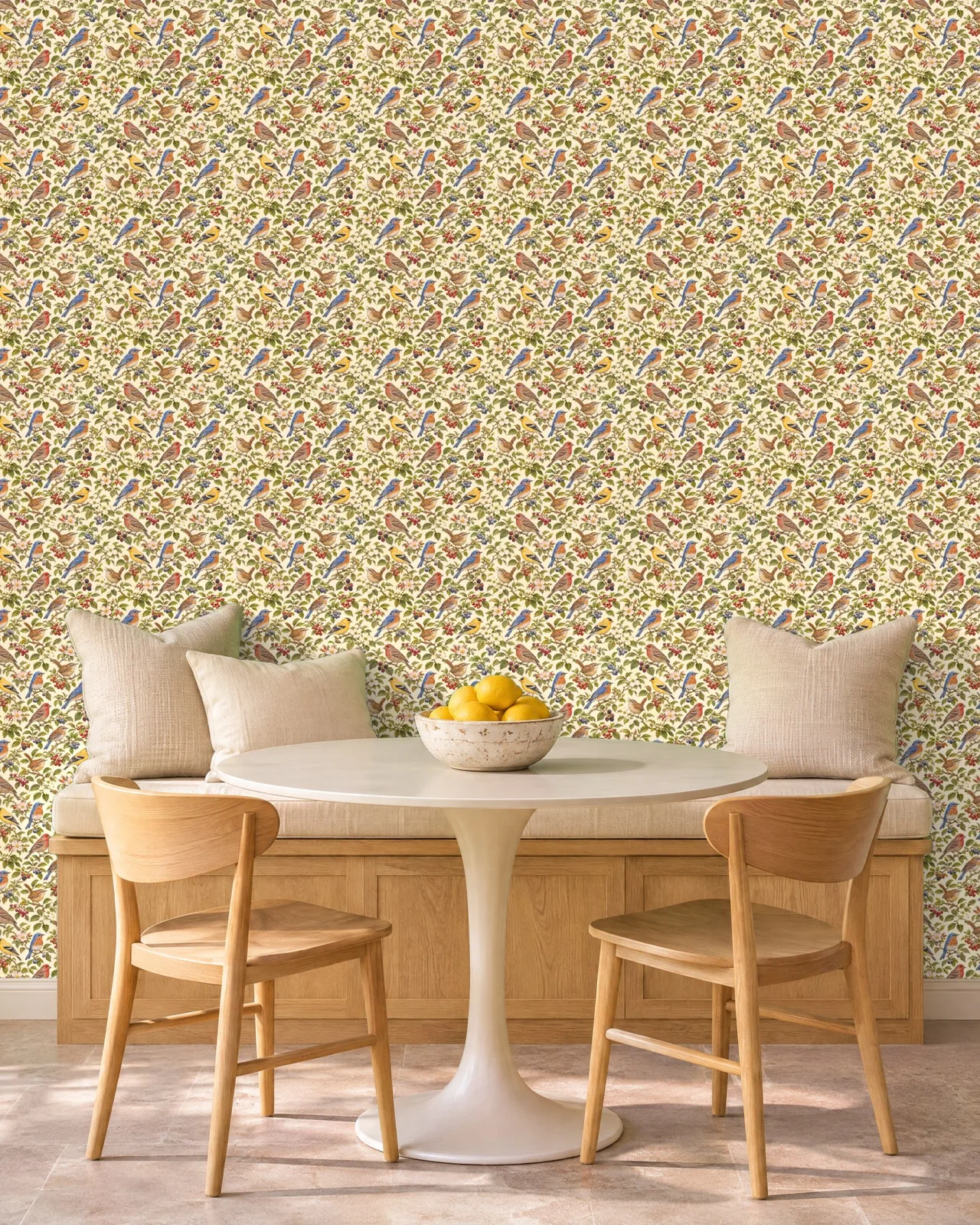
Most leases say the same thing about walls: leave them the way you found them. Paint needs permission and a repaint before you move out, and traditional wallpaper is out of the question. That is why renter friendly wallpaper exists. Peel and stick panels go up with no paste and no water, and on the right wall they come off in one piece when you leave.
The key words are "on the right wall". Peel and stick is reversible, not invisible, and the difference between a clean move-out and a patched wall comes down to a few checks you can do in an evening.
Read your lease first
Some leases mention adhesives, decals or "alterations" in general. If yours does, ask your landlord or building manager before you hang anything, and keep the answer in writing. Many landlords are happy to say yes to peel and stick once they hear it comes off without residue, especially for a single wall.
Check the wall
Peel and stick sticks best to, and comes off best from, a wall that is:
- Smooth. Run your hand across it. Light orange-peel texture is usually fine; heavy knockdown or sand texture is not, because the panel only touches the high points.
- Painted and sealed. Bare drywall, fresh plaster and unpainted patches are porous, and the adhesive can pull the paper face of drywall off with it.
- Cured. If the walls were painted when you moved in, give them at least two weeks before you hang anything.
- Sound. Flaking, bubbling or chalky paint will lift when the panel comes off, whatever the wallpaper.
Satin and eggshell paints are the friendliest surfaces. Very flat, chalky matte paint is the one to test most carefully.
Run the sample test
This is the step that protects your deposit, and it costs one sample. Order an 8 x 10 inch sample of the pattern you like, stick it on a hidden part of the wall (inside a closet, behind a dresser) and leave it for three to seven days. Then peel it off slowly, pulling low and close to the wall.
If it comes away clean, you have your answer. If it lifts flecks of paint, the wall is not a good candidate, and you have learned that on a piece the size of a postcard instead of a whole wall.
Where to hang it in a rental
You do not need to paper a whole apartment to change how it feels. The best value walls in a rental are:
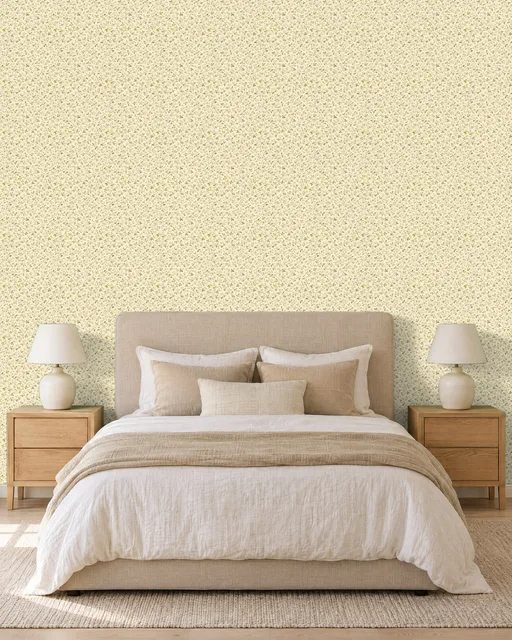
- The wall behind the bed. It frames the room and nobody leans on it.
- The wall behind the sofa or the TV. One wall changes the whole living room.
- A closet, a pantry or the back of open shelves. Small, low-risk and surprisingly joyful every time you open the door.
- A bathroom with a fan, away from the shower. Read our guide to peel and stick wallpaper in a bathroom first.
One feature wall is usually four to six panels. At $69 for an 8 foot panel, that is one of the cheapest ways to make a rental feel like home. Count yours properly with our measuring guide.
Hang it so it comes down well
The way you hang a panel affects how it comes off. Follow our install guide, and keep three habits:
- Peel the backing a foot at a time instead of all at once, so the panel never folds onto itself.
- If a panel goes on crooked, lift it right away. Repositioning in the first minutes is easy; repositioning a day later stresses the paint.
- Trim with a sharp blade and change it often. A dull blade drags and can tear the paint at the edge.
Taking it down when you move
Start at a top corner and pull slowly downward, keeping the panel low and close to the wall rather than pulling it straight out towards you. Slow is the whole trick. If a panel resists, warm it for a few seconds with a hair dryer on a low setting to soften the adhesive, then keep going.
Wipe the wall afterwards with a damp cloth. On a smooth, sound painted wall, that is usually the end of it.
What to avoid
- Fresh paint, bare drywall and textured walls, as above.
- Hanging over existing wallpaper: the old paper can come off with the new.
- Walls that get wet: inside a shower or right behind a sink.
- Very cold or damp walls, such as an uninsulated exterior wall in winter; the adhesive bonds best at room temperature.
Patterns that suit a rental
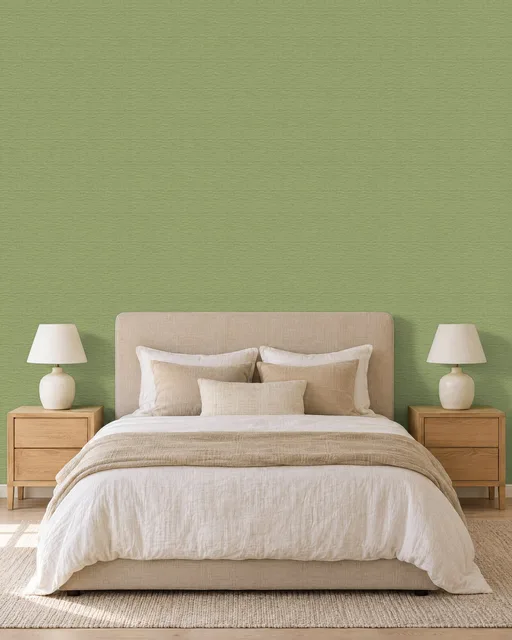
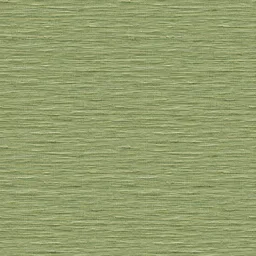
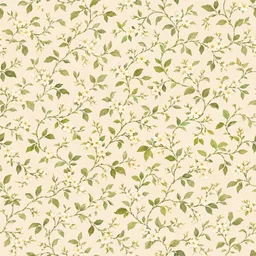
Renters often want something that makes a plain white box feel warm without fighting the landlord's floors and fixtures. A soft floral wallpaper does that, and so does a grasscloth look. Our renter friendly wallpaper collection gathers the designs that sit most easily in a rental.